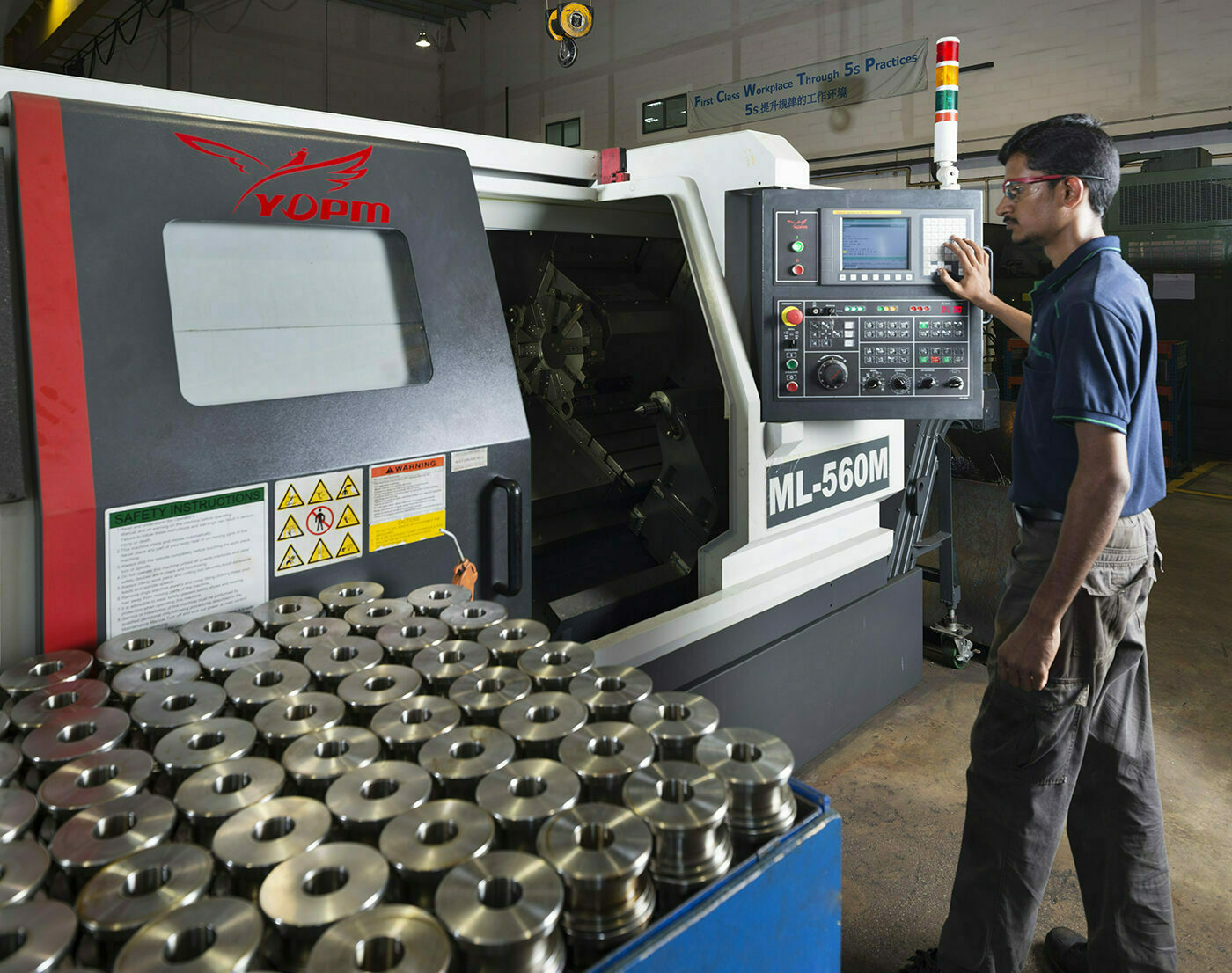
Industrial actuators are the often unseen workhorses of many machines around the industry, quietly powering heavy-duty tasks in infrastructure, farming, manufacturing, and mineral projects. These robust hydraulic actuators change high-pressure fluid into accurate, straight-line action, raising, driving, retrieving, and placing large objects with precision and consistency. While they may look surprisingly simple from the surface, the performance of a industrial cylinder is the product of the seamless coordination of numerous inner elements working in unison in complete harmony. Knowing these essential components and their jobs is key for any professional involved in design, control, or maintenance of industrial equipment. Hydraulic cylinder parts
Core Parts of a Hydraulic Cylinder and Why They Work
At the center of any hydraulic unit lies the main body, a precision-machined housing that supports the core moving components. It functions as the central body of the cylinder and holds the pressurized liquid that transmits force. Because it must handle extreme operating stress and enable smooth motion, the inside wall of the tube is carefully polished to exact specifications.Inside this housing sits the piston, the moving element that divides the internal space into distinct fluid zones. When high-pressure oil is sent to one side of the piston, force builds up and moves the component along the axis of the cylinder. This process is what effectively produces the strong, straight-line motion that the cylinder is engineered to produce. The piston position and sealing within the tube are essential for efficient pressure conversion and limited liquid leakage.
Connected directly to the piston is the piston rod, a hardened steel arm that delivers the energy created within the cylinder to the connected equipment. Whether moving out to raise a large load or drawing in to realign a component, the piston bar must be exceptionally durable and wear-resistant. Often coated or professionally finished to reduce oxidation and drag, this rod ensures that the cylinder can maintain reliable results under the most demanding environments. Hydraulic cylinder parts
Why Knowing Hydraulic Components Matters Even Than You Think
Hydraulic actuators play a vital role in numerous industrial uses, but their efficiency and longevity depend on the condition of every internal part. Learning the roles of the pressure barrel, core, rod, sealing elements, and other components empowers technicians to spot issues early, schedule servicing proactively, and take better decisions about fixes or upgrades. A worn rod seal component might cause oil escape long before a major issue becomes clear, and spotting this quickly can reduce significant delays and maintenance expenses.Moreover, choosing the proper mechanical system for a specific task needs awareness of how these components influence force, motion management, and strength. Whether you are planning machinery for a infrastructure operation, repairing agricultural machinery, or troubleshooting factory automation, a clear grasp of industrial actuator structure helps guarantee best results.
As the foundation of so numerous industrial machines, industrial actuators require proper focus. By understanding the functions each component performs—from the power of the output bar to the accuracy of a compact ring—you release the complete power of your equipment and protect its performance for a long time to come.
Find out more on - Hydraulic cylinder parts